
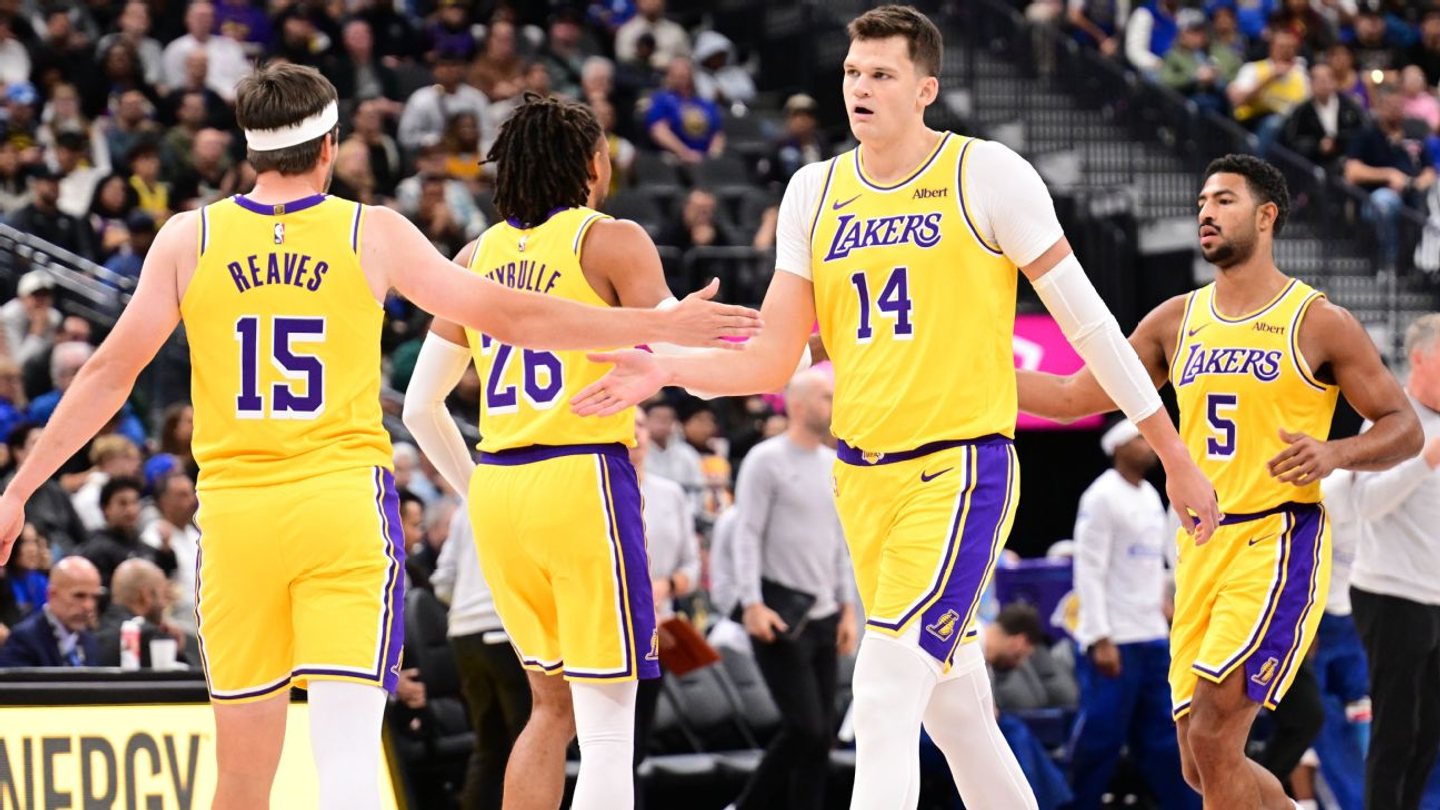
Utah had 14 offensive rebounds in Friday’s win over New Orleans, according to ESPN’s box score. That is the number I would put on the Lakers’ board before Walker Kessler returns to Salt Lake City on Sunday, Oct. 25. The reunion can have its applause. The Lakers need the ball after the missed shot.
Kessler’s six blocks against the Clippers were terrific. I want the Lakers to give him enough help on the glass that a quieter night protecting the rim can still produce a convincing defensive performance. Asking him to challenge the shooter and collect every rebound is a very expensive way to let everyone else watch.
As of Saturday, Oct. 24, Los Angeles is 2-0 after Friday’s 125-117 win, while Utah is 1-1 after beating the Pelicans 120-119. Both results and Sunday’s matchup are confirmed in the Associated Press recaps carried by ESPN. The Jazz game offers a useful next question after Reaves and Kessler carried the Lakers past the Clippers: who finishes the stop when Kessler has already done the difficult part?
Utah Has More Than One Way to Reach the Rebound
The Jazz box score against New Orleans gives that question some names. Jaren Jackson Jr. collected four offensive rebounds. Darryn Peterson had three. Lauri Markkanen and Jaxson Hayes had two apiece. Those are individual totals from ESPN, and they make this a wider assignment than the two centers finding each other under the basket.
I would start with the weak-side defender. When Kessler steps toward a drive, that defender should find a body before following the flight of the ball. Waiting to see whether the block lands in the first row is a good way to discover an opponent already standing where the rebound comes down. A spectacular contest deserves something better than another Utah possession.
Friday’s individual rebounding totals give the Lakers specific assignments for Sunday. Peterson’s three offensive boards deserve attention alongside the work from the big men. I would want the guards discussing that responsibility before the game, while they can still agree on who finds whom without a ball bouncing between them.
Jackson is the most interesting assignment to me. ESPN has him at 24 points and 10 rebounds against the Pelicans, including two makes on four three-point attempts. I would avoid giving Kessler an automatic instruction to stay under the rim regardless of the matchup. If Jackson pulls his defender outside, the Lakers need a plan for who protects the basket and who finds the rebounder behind that help.
Utah’s Friday starters, as listed by ESPN, included Jackson and Markkanen; Hayes came off the bench. The Lakers should prepare for both the spacing questions those starters raise and the different demands of Hayes’ minutes. A single defensive instruction will not cover every combination.
Hayes scored 17 points on seven-of-eight shooting against New Orleans, per ESPN. All eight attempts were inside the three-point line. I would make contact with him early when the shot goes up and resist the temptation to have two defenders chase the same contest. The last thing the Lakers need is both players watching the ball while an unclaimed opponent gets the next touch.
The roster context is in our Lakers depth chart. Whatever group JJ Redick uses around Kessler, I would judge its rebounding by shared responsibility. A guard securing a loose rebound after a teammate boxes out is a successful possession. The center does not need personal credit for every piece of it.
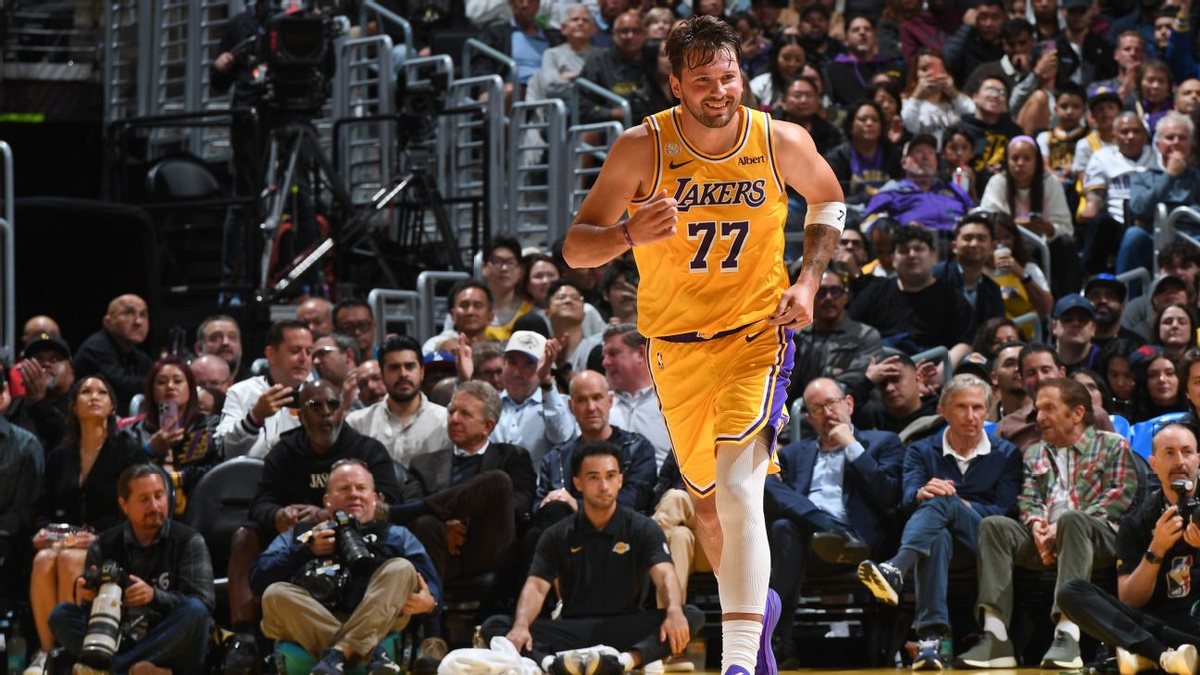
The Lakers Need Five Players to Finish the Stop
Friday’s Clippers box score is a useful brake on the celebration. ESPN credits Los Angeles with nine blocks, six from Kessler in the AP recap, but the Clippers still collected 11 offensive rebounds. Those totals do not prove that the rebounds followed the blocks. They do show why I would keep separate questions on the board: did the Lakers force a miss, and did they leave with the ball?
The Lakers won the overall rebounding count 37-35, per ESPN. I would focus Sunday’s preparation on the specific assignments around Kessler rather than demand some arbitrary rebound margin. The target should be clean possessions: one player contesting, teammates finding bodies, and someone collecting the ball. Utah’s 14 offensive rebounds Friday give the Lakers a reason to rehearse that sequence.
For Doncic and Austin Reaves, the instruction is simple: once the shot is up, help complete the possession before looking for the outlet. That can mean putting a body on a perimeter player cutting in, collecting a long bounce, or taking the rebound when Kessler has occupied an opposing big. Getting the ball safely is the first step toward whatever pretty offense comes next.
There is an offensive price to asking the perimeter players to stay involved. A player who comes back for the rebound cannot also be waiting ahead of the defense for an easy pass. I would pay that price against Utah until the Lakers show they can secure the ball consistently. Send the first safe outlet to the ball handler, then run. Trying to collect the reward before finishing the work is backwards.
That also makes the responsibility easier to see. If Kessler has to leave his man to challenge a shot, the nearest teammate should take over the abandoned assignment rather than drifting toward open space. If he stays home and boxes out, the perimeter players should pursue the ball. I want the rebound to determine who starts the break, instead of a planned break leaving nobody available for the rebound.
The wings deserve the same standard. Do not award a good defensive grade just because the shooter missed. Stay attached to the possession until the Lakers have it. That gives Redick a useful way to assess a lineup even if the shotmaking at the other end happens to cover its mistakes. It is the defensive companion to our case for giving Jarred Vanderbilt a clear rebounding assignment on offense: decide who goes after the ball before it is in the air.
Kessler should be able to have a strong Sunday without matching Friday’s block total. If his positioning makes a driver give the ball up, and a teammate finishes the possession after the eventual miss, I will take that over a louder sequence that ends with Utah scoring on a second try. The reunion is an individual occasion. Ending the possession is everyone’s job.