
Jarred Vanderbilt’s best argument for Lakers minutes is sitting underneath the basket. According to Basketball Reference, he collected 13.6% of the available offensive rebounds while on the floor in 2024-25. Last season that fell to 8.6%. Meanwhile, his three-point attempts went up. I want the Lakers to reverse those priorities.
As of Friday, Oct. 23, my prescription for Vanderbilt is a role built around cuts, screens and chasing the right misses. Let the jumper be a bonus. A forward who shot 29.3% from three last season should have a better route to helping the offense than waiting in the corner for everyone to discover he is a shooter.
The distinction is in the job description. I would ask Vanderbilt to create another possession, occupy a defender with movement and finish the chances that reach him. I would not hand him a rotation spot simply because those assignments sound suitable. He has to execute them. But I would give him a chance to earn minutes doing something the numbers suggest he has supplied before.
The Rebounding Case Got Weaker Last Season
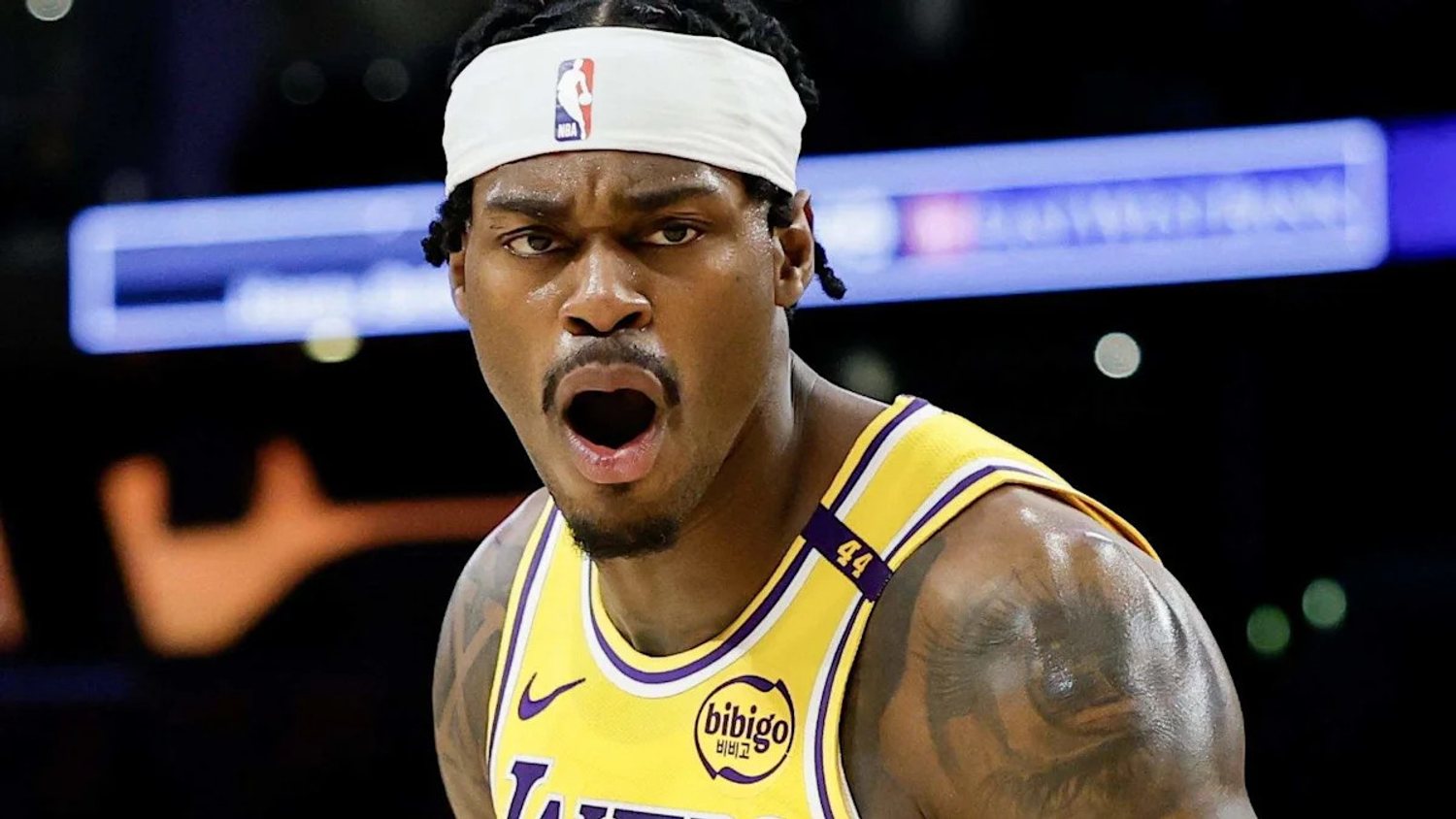
Here are the relevant regular-season figures from Basketball Reference’s Vanderbilt tables. Offensive rebound percentage estimates the share of available offensive rebounds a player collects while on the court.
| Season | Games | Minutes | Offensive Rebounds | Offensive Rebound % | Three-Point Shooting |
|---|---|---|---|---|---|
| 2024-25 | 36 | 581 | 68 | 13.6% | 9-of-32, 28.1% |
| 2025-26 | 65 | 1,128 | 80 | 8.6% | 29-of-99, 29.3% |
Vanderbilt nearly doubled his playing time and added only 12 offensive rebounds. Calculated from those Basketball Reference totals, he went from about 4.2 offensive rebounds per 36 minutes to 2.6. That comparison gives the drop a practical meaning: the Lakers got considerably less of that particular contribution for each minute they used him.
The smaller first season matters. Those 36 appearances are a useful reference, rather than a promise that he can reproduce that rate over a full schedule. Still, the decline deserves attention before anyone describes rebounding as an automatic benefit of putting Vanderbilt on the floor. It is the part of his offensive game I would try to recover first.
His shooting moved in a different direction. Basketball Reference lists 0.9 three-point attempts per game in 2024-25 and 1.5 last season. He made 29 of 99 last season after making nine of 32 the year before. More attempts gave him more makes, but the percentage remained below 30%.
That does not establish that taking threes caused the rebounding decline. Positioning, teammates and assignments can affect where a player ends up when the shot goes up. It does tell me where I would start the coaching conversation: what is Vanderbilt supposed to do after the ball leaves his hands, and where should he be when a teammate shoots?
A missed jumper is visible. A possession in which the designated rebounder never reaches rebounding position is easier to overlook. I would put both on the film screen.
Give His Defender Something to Follow
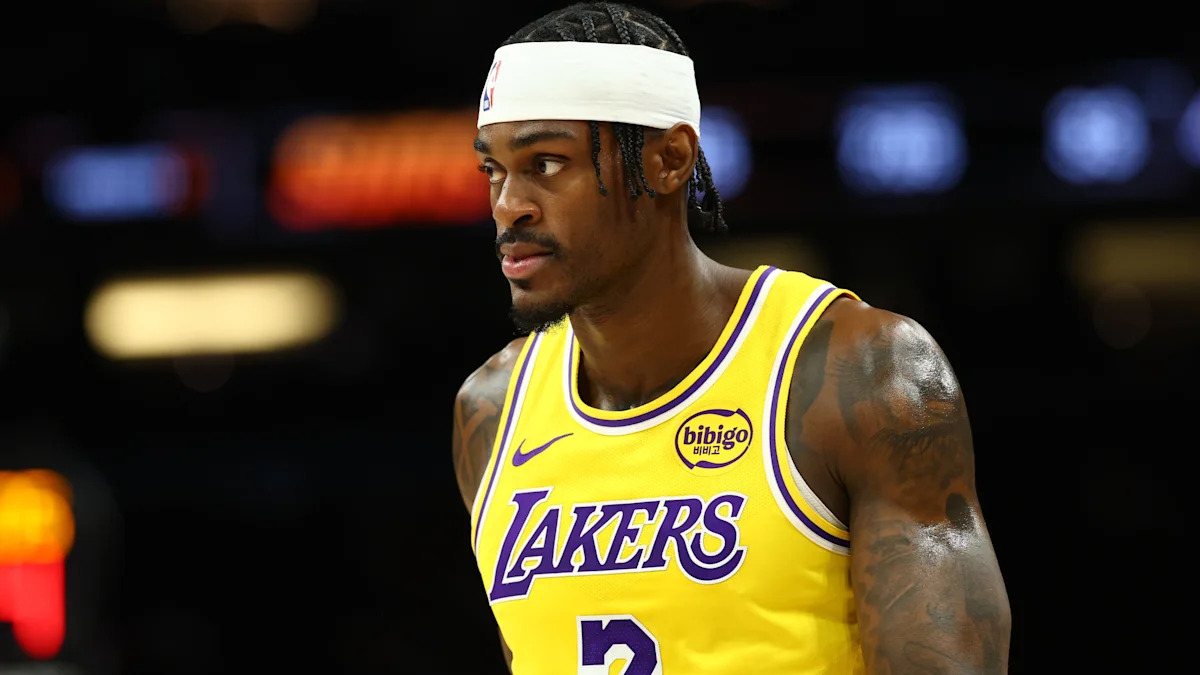
My preferred Vanderbilt possession begins with movement that serves the ball handler. Imagine Luka Doncic working from the wing while Vanderbilt’s defender drifts toward the lane. I would have Vanderbilt screen for a teammate or cut behind that defender when the lane opens. Either action gives him a task beyond asking for a pass to a spot the defense is happy to leave available.
The timing is everything. A cut directly into a teammate’s drive would make the problem worse. I want Vanderbilt moving when his defender turns toward the ball, with enough space to receive the pass. If the center already occupies that space, Vanderbilt should clear it or screen elsewhere. Running toward the hoop is not automatically useful basketball. My dog could fill that assignment, and his hands are worse.
Basketball Reference offers some reason to prefer chances inside the arc: Vanderbilt made 84 of 141 two-point attempts last season, or 59.6%. That is his percentage on all twos, not a measurement of cuts or layups. I would use it as a reason to seek useful interior opportunities, without pretending every pass into traffic will turn into a finish.
His free throws are another limit. He made 33 of 56, or 58.9%, per Basketball Reference. Getting him a catch near the basket is a starting point; he still has to secure the ball and complete the play. A role that reduces difficult jumpers cannot excuse missed chances at the rim or the line.
I want him making the simple pass, too. If he catches with a defender in front of him and an open teammate outside, get the ball there. The goal is an offense that survives his minutes without requiring him to become a different player by next week.
That is a different assignment from Jake LaRavia’s need to keep taking available threes. Players do not need identical instructions just because the lineup card puts both at forward. Vanderbilt should be judged by whether his movement creates a useful catch or helps someone else get one.
Pick the Lineup Before Sending Him to the Glass
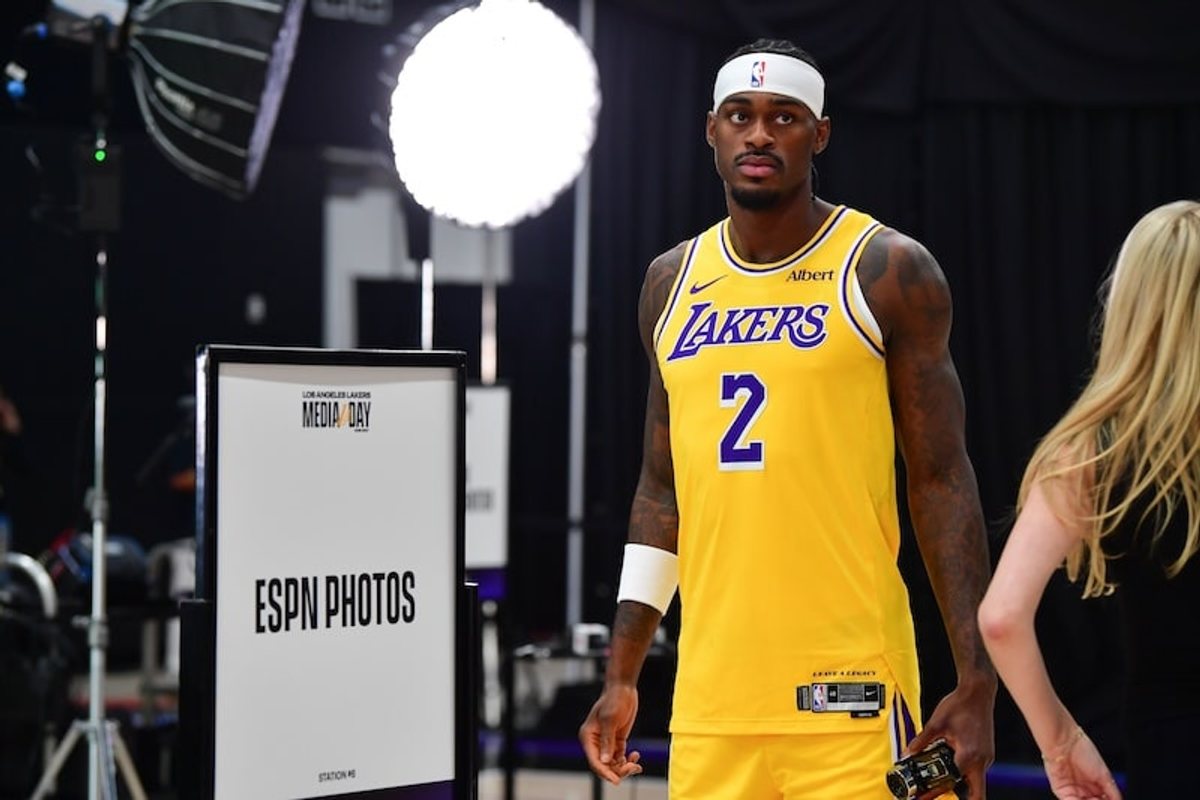
The pairing I would test is Vanderbilt beside Sandro Mamukelashvili, with Doncic or Austin Reaves handling the ball. Mamukelashvili made 115 of 296 threes for Toronto last season, 38.9%, according to Basketball Reference. I would use his outside shooting to leave Vanderbilt more room to work nearer the basket.
The full Lakers roster and depth chart provides the broader competition for those minutes. I would keep Vanderbilt’s initial stints short enough to judge the actual possessions: can he screen, find a catch and reach a rebound without crowding the creator?
Our earlier argument about the Lakers’ backup centers favored Kevon Looney’s rebounding behind Walker Kessler. Vanderbilt offers a separate experiment alongside a shooting big. I would test whether that combination gets enough rebounding from the forward spot to make Mamukelashvili’s spacing worth using. It should earn its place through results rather than a tidy diagram.
There also has to be a rule for getting back. I would not send Vanderbilt after every miss regardless of where he starts. If he is near the basket with a path to the ball, attack it. If he is stranded above the play, retreat and help organize the defense. An offensive rebound is valuable; chasing one he cannot reach while leaving a free run the other way is a bad bargain.
My first check would be whether those assignments actually get him involved. My next would be whether the opponent starts keeping a body on him when a shot goes up. If that happens, Vanderbilt has given a defender another responsibility even before he grabs the ball. If he floats outside and watches, the Lakers have gained little by changing the lineup around him.
I would keep the scoreboard for this experiment plain: useful screens, clean catches, good decisions on misses and extra possessions earned. An open three can remain available when the possession calls for it. It should not become the audition. Vanderbilt’s way back into useful Lakers minutes starts with making himself difficult to keep off the glass.