
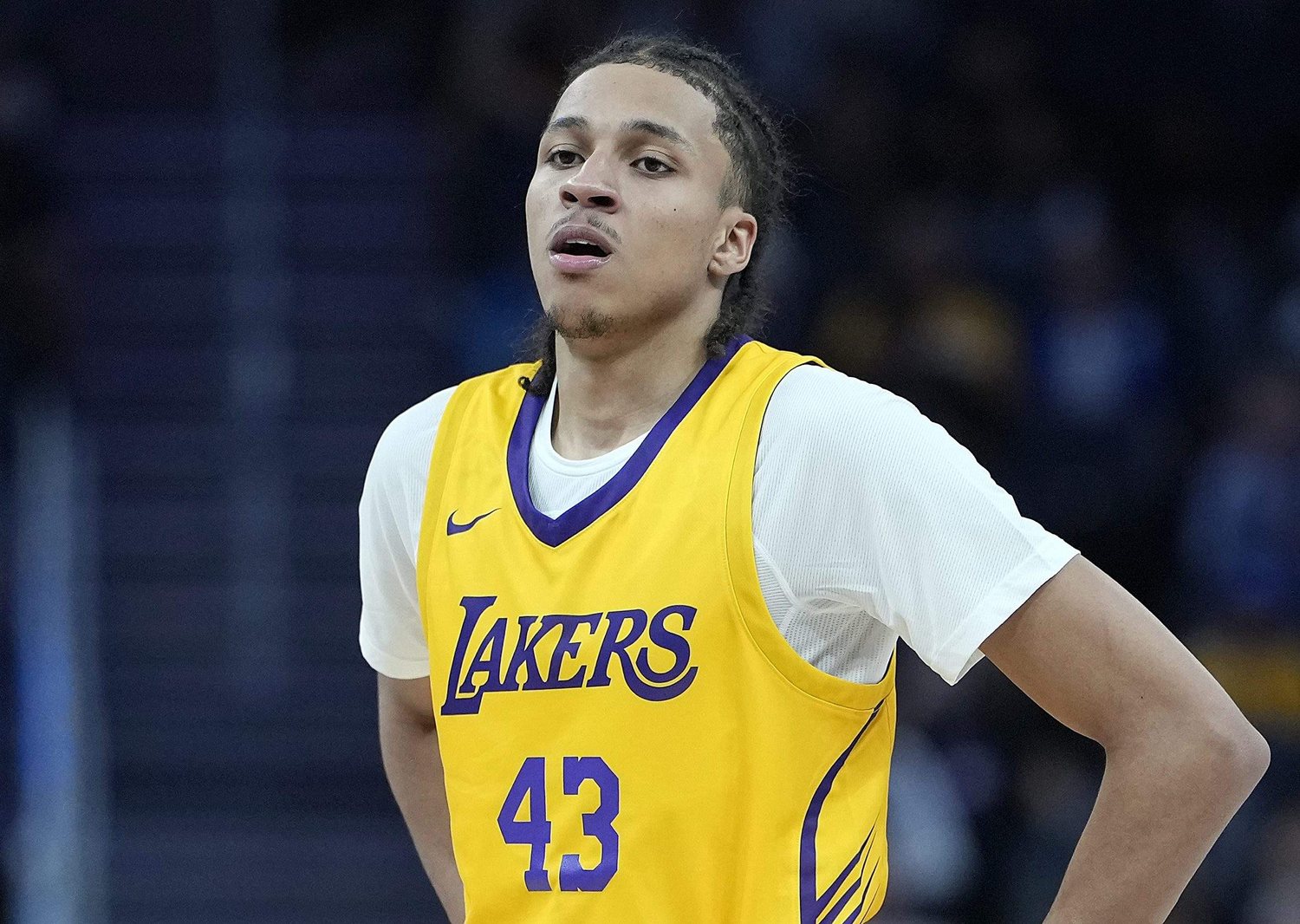
Cameron Carr received 7% of the draft-steal vote, tied for fifth, in NBA.com’s October 15 GM survey. Nice compliment. I would rather give him a job description.
As of Tuesday, October 20, my preferred plan for Carr is simple: earn Lakers minutes by shooting off the catch, cutting behind help and doing the defensive work that keeps a wing on the floor. Put him beside a creator. Resist the temptation to turn every promising scoring night into an audition to run the offense.
The NBA’s draft notes record the Knicks selecting him 24th with a planned trade to Los Angeles. A late first-round pick becoming a dependable wing would be a good return. He does not have to become a star for this pick to matter.
The Shot Gives Carr a Starting Point
The strongest case for giving Carr a look comes from his college season, rather than a prediction about his ceiling. Here is his full 2025-26 Baylor line from Sports Reference:
| Category | Baylor, 2025-26 |
|---|---|
| Games / starts | 34 / 34 |
| Minutes per game | 33.7 |
| Points per game | 18.9 |
| Three-pointers | 77-of-206, 37.4% |
| Free throws | 133-of-166, 80.1% |
| Assists / turnovers | 90 / 81 |
| Blocks | 45 |
The three-point attempts are the part I like most. That is a substantial set of attempts, rather than a percentage built on a handful of makes. The free-throw percentage adds another reason to believe in his touch. Neither number promises an NBA percentage, but together they give a coach something more useful than a workout reputation.
Carr attempted about 6.1 threes a game (206 across 34 games), per Sports Reference. If I am choosing an early assignment for a rookie, I want it connected to something he has already repeated under game pressure. Catching an available pass and taking the open jumper is a sensible place to begin.
That still leaves plenty to learn. An NBA wing has to find space while a teammate drives, recognize when a defender has turned his head and make the next pass when the shot disappears. A corner assignment should not mean standing still until somebody remembers he is there. I would want Carr moving along the baseline when the defense loses sight of him, then clearing the lane if the cut does not produce a pass.
There is a reason I keep coming back to Jake LaRavia’s willingness to shoot. A wing helps the offense by making himself available and accepting the shot it creates. Carr should get the same instruction. Passing up an open look to dribble into a crowded lane would defeat the purpose of putting him there.
The goal is to make his decisions easier without making him passive. Shoot the clean catch. Attack a defender who charges past. Move the ball when the advantage is gone. That is enough offense for a first assignment.
Keep the Ballhandling Assignment Small
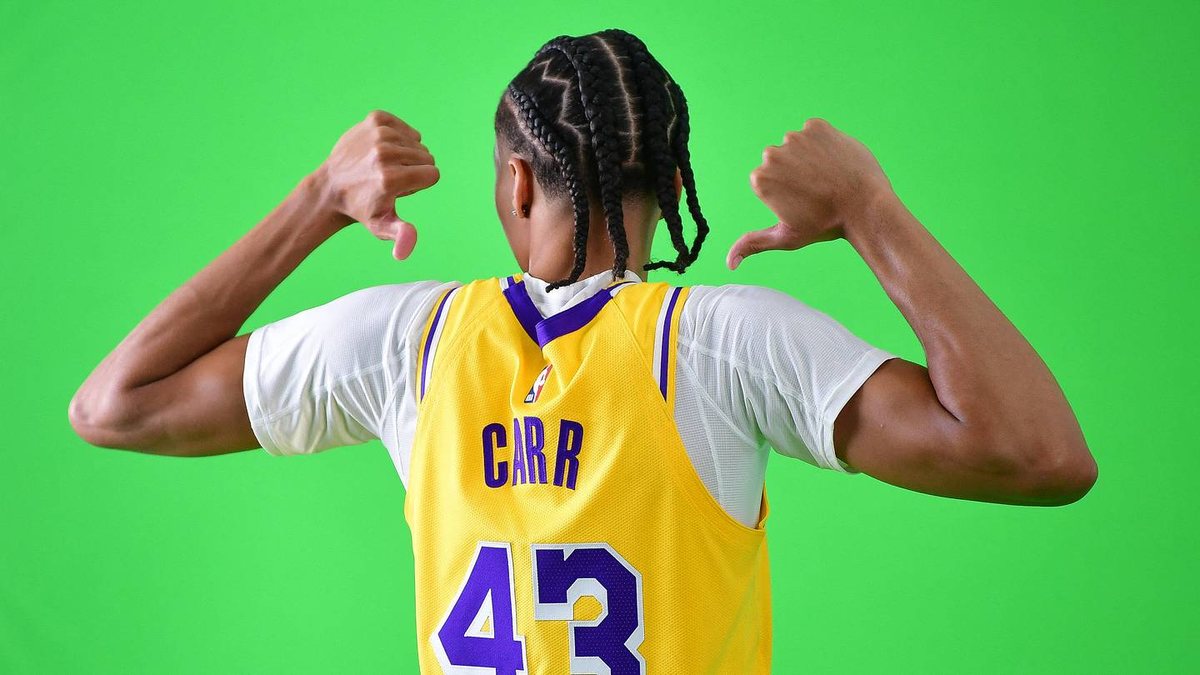
NBA.com’s draft profile praises Carr’s quick release while identifying his handle and strength as development areas. That is a useful warning against asking for too much immediately.
The assist and turnover totals in the Sports Reference table reinforce my preference for a smaller offensive assignment. A box score cannot tell us which passes he missed or what the possession demanded. But that modest assist margin makes me reluctant to choose playmaking as his first NBA responsibility.
Start his shifts with Luka Doncic or Austin Reaves handling the creation. In a bench group, my preference remains Collin Sexton as the lead scorer. Carr can benefit from the attention a teammate draws without being asked to manufacture an opening himself.
Picture the assignment I want: the lead guard gets into the lane, Carr’s defender helps, and Carr is ready for the kickout. If the defender recovers under control, Carr passes and relocates. If the defender flies past him, Carr has a driving lane. Build his early offensive work around those choices.
The alternative I would avoid is a possession that begins with Carr holding the ball against a set defense while everybody waits. Giving a rookie freedom sounds generous until the freedom consists of solving the hardest problem on the floor. Let him get good at making the simple play before asking him to rescue a possession.
There should still be room to expand. If he consistently makes the correct pass after a closeout, give him another read. If he can get into the paint without losing control, let him try more. I would add responsibility after he shows he can handle the previous assignment, rather than treating a narrow role as a permanent limit.
Defense Has to Pay for the Minutes
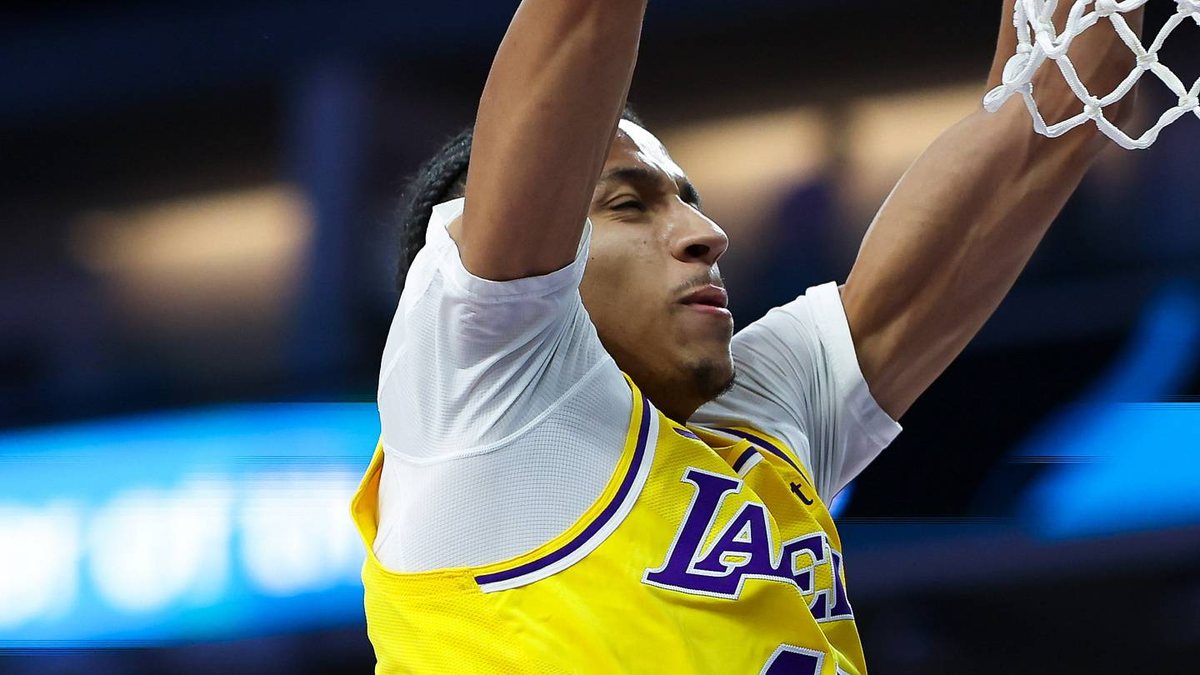
Carr also has competition. Quentin Grimes, Matisse Thybulle, Ziaire Williams and Adou Thiero are among the perimeter options discussed in Matt Evans’ October 16 coverage. My argument is for a way to earn minutes, not a guaranteed place ahead of those players.
The blocks in Carr’s college line are encouraging, but they cannot settle whether he will stay in front of an NBA scorer. I would judge his defense on the ordinary possessions: getting back, staying attached away from the ball, making the correct rotation and finding someone to box out. A spectacular recovery is fun. Avoiding the mistake that required it is more likely to keep him in the game.
That is also where I would draw the distinction between a missed shot and a bad shift. If Carr takes an open jumper and misses, then gets back and does his job, I would keep giving him chances. If he stops moving after a miss or abandons his assignment to hunt a highlight, the next stint should belong to somebody else.
A nightly minutes promise should wait until he shows that work. Give him a defined assignment when he gets a chance, judge whether he executes it and let the next opportunity follow. If NBA opportunities are too scarce for meaningful repetitions, I would favor actual playing time in the G League over a long stretch of watching from the bench.
The Lakers should be patient with Carr’s shooting results and demanding about his decisions. Take the open shot, make the next pass and defend well enough to get another shift. That is how I want him earning his minutes.